
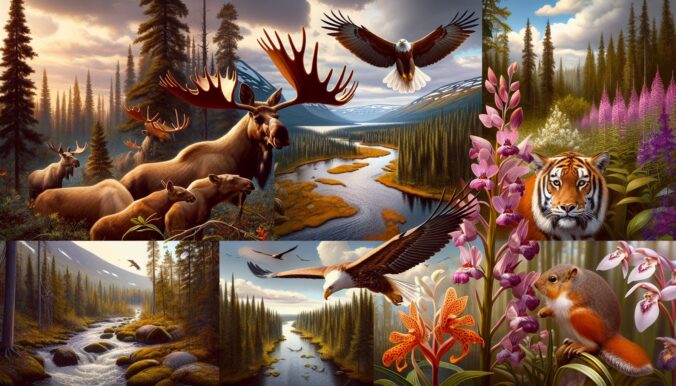
Finland, known for its stunning landscapes and pristine natural beauty, is also home to a remarkable range of biodiversity. Situated in Northern Europe, this Nordic country boasts a unique mix of Arctic, boreal, and continental ecosystems, making it a haven for a wide variety of plant and animal species. From dense forests to vast wetlands, Finland’s diverse habitats support a wealth of life, making it an ideal destination for nature enthusiasts and biologists alike.
A Melting Pot of Ecosystems
One of the key factors contributing to Finland’s rich biodiversity is its varied terrain. With over 188,000 lakes and an extensive coastline along the Baltic Sea, aquatic ecosystems play a significant role in its biological diversity. The lakes, brimming with diverse fish species such as salmon, whitefish, and perch, provide ample sustenance for numerous bird species, including the iconic whooper swan, the national bird of Finland.
Moving inland, Finland’s boreal forests dominate the landscape, covering more than three-quarters of the country. These ancient woodlands, characterized by conifers like pine, spruce, and birch, support a multitude of species, including the formidable brown bear, elusive lynx, and the agile flying squirrel. The forests are also home to a rich array of bird species, including the capercaillie, the largest member of the grouse family, and the Ural owl, known for its haunting calls during long summer nights.
Additionally, Finland’s wetlands are a crucial component of its biodiversity. Comprising peatlands, marshes, and fens, these waterlogged habitats host a unique mix of specialized plant species, such as carnivorous sundews and orchids. They also provide a breeding ground for countless migratory birds, including the elegant long-tailed duck and the rare corn crake, which can be heard in the early summer nights, their distinctive calls carrying over vast wetland expanses.
Conservation Efforts and Threats
Despite Finland’s commitment to preserving its natural heritage, biological diversity faces several challenges. Climate change poses a significant threat to Finland’s ecosystems, leading to altered patterns of rainfall and increased temperatures. These changes can disrupt delicate ecological balances and negatively impact many species dependent on specific environments.
Additionally, human activities, such as deforestation and urbanization, can fragment habitats, reducing the available space for wildlife to thrive. Ensuring the conservation of endangered species, such as the critically endangered Saimaa ringed seal or the majestic European elk, requires collaborative efforts from governmental organizations, conservation groups, and local communities.
Finland has implemented various conservation initiatives to protect its unique biodiversity. National parks and nature reserves have been established across the country to safeguard ecosystems and provide sanctuaries for vulnerable species. Moreover, sustainable forestry practices, such as selective logging and reforestation efforts, aim to maintain the balance between conservation and economic activities.
Nature-Based Tourism and Education
Finland’s diverse biological heritage has not only fueled conservation efforts but also attracts nature enthusiasts and tourists from around the globe. The vast array of bird species, for example, makes Finland a popular birdwatching destination. Similarly, the opportunity to witness the magnificent spectacle of the northern lights draws visitors seeking a once-in-a-lifetime experience.
Educational institutions and organizations also play a crucial role in promoting biodiversity awareness and understanding. Finland places great emphasis on environmental education, ensuring that future generations have a deep appreciation for their country’s natural wonders. By engaging citizens and visitors alike, Finland strives to foster a sense of responsibility in protecting its biological diversity for generations to come.
Preserving Finland’s Natural Heritage
Finland’s rich biological diversity is a testament to the country’s commitment to environmental conservation. From its diverse forests and wetlands to its vast array of plant and animal species, Finland offers a unique glimpse into nature’s wonders. However, with the ever-present threat of climate change and human activities, it is imperative to continue prioritizing conservation efforts to ensure the preservation of this remarkable natural heritage. By safeguarding Finland’s biodiversity, we not only protect the country’s unique ecosystems but also contribute to the global preservation of our planet’s remarkable natural diversity.