
Finland, often referred to as the “Land of a Thousand Lakes,” is not only known for its stunning landscapes and clean environment but also for its incredible biological diversity. Situated in Northern Europe, Finland offers a unique blend of various ecosystems that support a wide range of plant and animal species. In this blog post, we will delve into the rich biological diversity that Finland has to offer, highlighting some of its remarkable flora and fauna.
Understanding the Finnish Landscape
Covering an area of approximately 338,000 square kilometers, Finland exhibits a diverse range of landscapes, including forests, wetlands, meadows, and archipelagoes. Each of these ecosystems provides a distinct habitat suitable for various organisms, contributing to the overall biodiversity of the country.
Forests
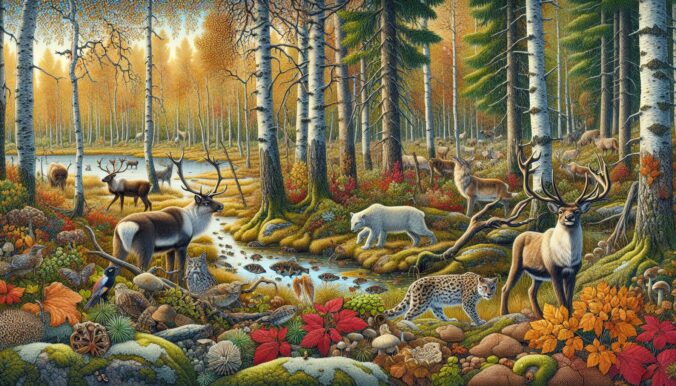
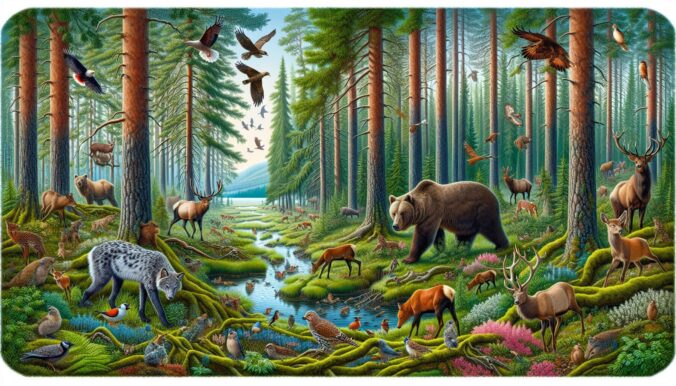
Forests dominate Finland’s landscape, covering nearly 75% of its total land area. These forests are home to various tree species such as pine, spruce, and birch. The diverse forest types harbor a plethora of plant species, including lingonberries, cloudberries, and numerous types of mushrooms. Finland’s forests are also home to an array of wildlife, such as the Eurasian lynx, brown bear, and the endangered Saimaa ringed seal.
Wetlands
Finland boasts an extensive network of wetlands, with over a third of the country covered by swamps, bogs, and marshes. These wetlands play a vital role in maintaining the ecological balance and supporting a diverse range of species adapted to these unique habitats. Birdwatchers flock to the wetlands of Finland to witness the spectacular migrations of waterfowl, including the whooper swan, goldeneye, and various species of ducks.
Meadows
Meadows, often found near water bodies, provide a habitat for numerous plant species, such as orchids, buttercups, and violets. These vibrant meadows attract a range of insect pollinators, including various species of bees and butterflies. Meadows are also home to small mammals like voles and shrews, which, in turn, support predators like owls and raptors.
Archipelagoes
Finland’s coastline is dotted with thousands of islands, forming stunning archipelagoes. This unique environment supports a diverse range of marine species, including seals, sea birds, and fish. The Baltic Sea surrounding the archipelagoes harbors several species of salmon, perch, and pike, making it a popular destination for recreational fishing.
Conservation Efforts in Finland
Finland has a strong commitment to environmental conservation and has implemented several initiatives to protect its diverse flora and fauna. National parks, nature reserves, and protected areas cover over 10% of the country’s land area, ensuring the preservation of critical habitats.
The Finnish government collaborates with various conservation organizations and researchers to monitor and protect endangered species and their habitats. Efforts to restore damaged habitats and promote sustainable forestry practices have been instrumental in preserving Finland’s biological diversity.
The Future of Biological Diversity in Finland
While Finland has made significant strides in conservation, challenges remain in preserving its biological diversity in the face of climate change and human activities. Rising temperatures and altered precipitation patterns could impact the distribution and abundance of several species, potentially disrupting ecosystems.
To address these challenges, Finland continues to invest in research and education, focusing on sustainable land use and conservation practices. By involving local communities, government agencies, and international organizations, Finland aims to create a collaborative approach towards preserving its unique biological heritage for future generations to enjoy.
Conclusion
From its vast forests to its sprawling archipelagoes, Finland showcases a remarkable biological diversity that captures the hearts of nature enthusiasts worldwide. The country’s commitment to conservation, combined with its pristine landscapes, has created a haven for a myriad of species. As Finland moves forward, maintaining a delicate balance between human activities and environmental stewardship will be crucial in ensuring the long-term survival of its diverse flora and fauna. So, the next time you visit Finland, take a moment to appreciate the wonders of its biological diversity and help contribute to its conservation efforts.