Author: Gary Harrison (Page 7 of 9)

Exploring the Rich Biological Diversity in Finland

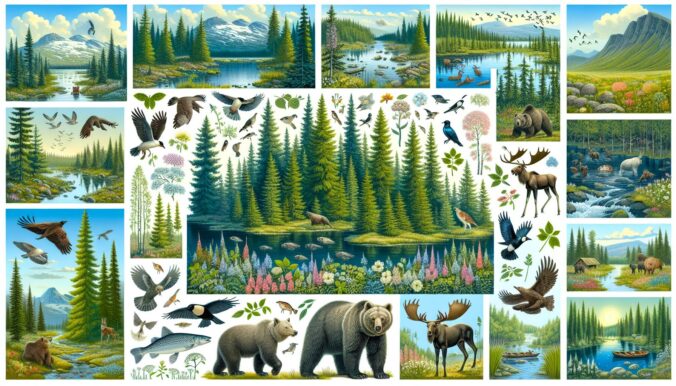
When one thinks of Finland, images of pristine lakes, dense forests, and stunning landscapes often come to mind. However, Finland is not only known for its natural beauty but also its rich biological diversity. From rare species of plants and animals to unique ecosystems, Finland is a haven for biodiversity enthusiasts.

I. Flora

Finland boasts a diverse range of plant species, thanks to its varied climate and ecosystems. The country is home to over 1,300 species of vascular plants, many of which are found in its numerous national parks and protected areas. From the rare arctic-alpine plants of Lapland to the lush forests of the south, Finland offers a treasure trove of botanical wonders waiting to be discovered.

II. Fauna

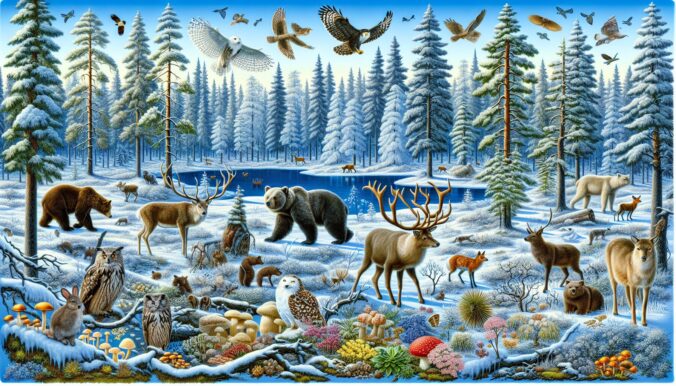
The wildlife in Finland is just as diverse as its plant life. The country is teeming with a wide variety of animal species, including bears, wolves, moose, lynx, and otters. Birdwatchers will also be delighted to know that Finland is home to over 470 species of birds, making it a paradise for bird enthusiasts. The country’s vast network of wetlands, lakes, and forests provides the perfect habitat for these creatures to thrive.

III. Marine Life

Finland’s extensive coastline and numerous lakes also support a rich array of marine life. The Baltic Sea, which borders Finland to the south, is home to a wide range of marine species, including seals, fish, and seabirds. Finland’s numerous lakes and rivers are also teeming with freshwater fish, making it a popular destination for anglers and fishing enthusiasts.

IV. Conservation Efforts

Despite its rich biodiversity, Finland faces challenges in preserving its natural heritage. Climate change, habitat destruction, and pollution are all threats to the country’s ecosystems and wildlife. However, Finland has made significant efforts to protect its biodiversity through the establishment of national parks, nature reserves, and conservation programs. These initiatives aim to safeguard Finland’s unique flora and fauna for future generations to enjoy.

V. Conclusion

In conclusion, Finland’s biological diversity is truly remarkable, showcasing the country’s commitment to preserving its natural heritage. From its diverse plant life to its thriving animal populations, Finland offers a glimpse into the wonders of the natural world. By continuing to protect and conserve its ecosystems, Finland can ensure that its rich biodiversity remains a source of inspiration and awe for years to come.

Exploring the Rich Biological Diversity of Finland

When one thinks of Finland, images of stunning natural landscapes, clean air, and beautiful lakes come to mind. But did you know that Finland is also home to a rich and diverse array of flora and fauna? The country’s unique geographical location, with its mix of boreal forests, wetlands, and coastal areas, provides a habitat for a wide variety of plant and animal species. In this article, we will delve into the fascinating world of biological diversity in Finland.

Flora Diversity

Finland is known for its vast forests, which cover over 75% of the country’s land area. These forests are home to a wide variety of tree species, including pine, spruce, birch, and aspen. In fact, Finland is home to some of the oldest and tallest trees in Europe, some of which have been standing for hundreds of years.

The country’s wetlands are also teeming with plant life, with over 60% of Finland’s plant species found in these areas. These wetlands are important breeding grounds for many bird species and provide a valuable habitat for a wide variety of plant species, including orchids, sundews, and cotton grass.

Fauna Diversity

Finland is home to a diverse array of animal species, both on land and in its many lakes and coastal waters. The country is well-known for its large populations of reindeer, which roam freely in the northern regions. Other iconic animals found in Finland include brown bears, wolves, lynx, and elk.

In Finland’s lakes and coastal waters, you can find a wide variety of fish species, including salmon, trout, pike, and perch. These waters are also home to seals, otters, and a variety of bird species, including swans, ducks, and terns.

Conservation Efforts

In recent years, Finland has made efforts to protect its diverse range of plant and animal species. The country has established numerous national parks and nature reserves to preserve its unique ecosystems and prevent species loss. These protected areas provide a safe habitat for many threatened and endangered species, including the Saimaa ringed seal and the Siberian flying squirrel.

In addition to its protected areas, Finland has implemented strict environmental regulations to ensure sustainable land use and forestry practices. The country has also taken steps to promote sustainable tourism, such as eco-certification programs for accommodations and tour operators.

Challenges Ahead

Despite these conservation efforts, Finland still faces challenges in protecting its biological diversity. Climate change, habitat loss, and pollution remain significant threats to many plant and animal species in the country. In particular, the warming climate is causing shifts in the distribution of species and threatening the delicate balance of Finland’s ecosystems.

To address these challenges, Finland must continue to prioritize conservation efforts and sustainable land use practices. By working together to protect its rich biological diversity, Finland can ensure that future generations will be able to enjoy the country’s stunning natural landscapes and diverse wildlife.

In conclusion, Finland’s biological diversity is a treasure that must be protected and preserved for future generations to enjoy. By valuing and protecting its unique ecosystems, Finland can continue to be a beacon of sustainable living and environmental stewardship for years to come. Whether you’re a nature enthusiast, wildlife lover, or simply a curious traveler, Finland’s rich biodiversity offers something for everyone to appreciate and cherish.

Exploring the Rich Biological Diversity of Finland

Finland, a country known for its stunning landscapes and pristine wilderness, is also home to a rich diversity of flora and fauna. From the dense forests of the north to the vast wetlands of the south, Finland’s unique geography and varied climate provide the perfect habitat for a wide range of plant and animal species.

One of the key factors contributing to Finland’s biological diversity is its location in the boreal forest zone. This vast area of coniferous forests stretches across the northern hemisphere, encompassing regions of Europe, Asia, and North America. In Finland, these forests provide a crucial habitat for a variety of species, including bears, wolves, lynx, and reindeer.

In addition to its forests, Finland is also home to thousands of lakes, rivers, and wetlands, further adding to its biodiversity. These aquatic ecosystems provide a habitat for a wide range of plant and animal species, including various fish, birds, and amphibians. Finland’s wetlands, in particular, are vital for many migratory bird species, making the country a popular destination for birdwatchers.

One of the most iconic species found in Finland is the brown bear. With an estimated population of around 2,000 individuals, Finland is one of the best places in Europe to see these majestic creatures in their natural habitat. The country is also home to other large predators, such as the wolf and lynx, which play a crucial role in maintaining the balance of the ecosystem.

Finland’s biodiversity is also supported by a strong tradition of conservation and environmental protection. The country has established numerous national parks and nature reserves to safeguard its unique wildlife and habitats. These protected areas provide a safe haven for many endangered species, such as the Saimaa ringed seal and the Siberian flying squirrel.

Despite these conservation efforts, Finland still faces challenges in preserving its biological diversity. Climate change, habitat loss, and invasive species are all threatening the country’s plants and animals. To address these issues, Finland is working to improve its conservation practices and promote sustainable use of natural resources.

One example of Finland’s commitment to biodiversity conservation is the Rewilding Finland project. This initiative aims to restore and reconnect fragmented habitats, allowing species to move freely across the landscape. By creating wildlife corridors and restoring degraded ecosystems, Rewilding Finland is helping to promote the resilience and long-term survival of Finland’s biodiversity.

In conclusion, Finland’s biological diversity is a testament to the country’s unique natural heritage. From its ancient forests to its pristine lakes, Finland’s diverse ecosystems are home to a wide array of plant and animal species. By embracing conservation efforts and promoting sustainable practices, Finland is ensuring that future generations can continue to enjoy the beauty and richness of its wildlife.

Exploring the Diversity of Finland’s Biological Landscape

Finland, known for its breathtaking landscapes and pristine wilderness, is also home to a rich and diverse array of plant and animal species. From the boreal forests in the south to the Arctic tundra in the north, Finland’s unique geographical position and varied climate have created the perfect conditions for a wide range of flora and fauna to thrive. In this article, we will take a closer look at the biological diversity of Finland and the importance of protecting these precious ecosystems.

Flora Diversity

Finland is home to over 1,200 native vascular plant species, with a significant portion of these being found in the country’s extensive forests. The boreal forests of Finland are dominated by conifers such as pine, spruce, and birch, creating a habitat for a variety of plant species adapted to the harsh climate. In addition to the forests, Finland also boasts a diverse range of wetlands, including bogs, marshes, and coastal areas, which support a unique and specialized flora.

Fauna Diversity

The diversity of Finland’s fauna is equally impressive, with over 60 mammal species, 300 bird species, and numerous fish and insect species calling the country home. Iconic species such as the brown bear, lynx, and wolf roam the forests of Finland, while the skies are filled with the calls of birds such as the golden eagle and capercaillie. The numerous lakes and waterways in Finland provide a habitat for a variety of fish species, including salmon, trout, and perch.

Threats to Biological Diversity

Despite Finland’s rich biological diversity, these ecosystems face a number of threats that jeopardize the survival of many plant and animal species. Habitat destruction due to deforestation, urbanization, and agriculture is one of the biggest threats facing Finland’s biodiversity. Climate change is also having a significant impact, with rising temperatures and changing precipitation patterns affecting the distribution and abundance of many species.

Conservation Efforts

In recognition of the importance of preserving Finland’s biological diversity, the country has established a network of protected areas that encompass a wide range of habitats, from forests and wetlands to coastal areas and alpine tundra. These protected areas help to conserve a diverse array of plant and animal species, ensuring their survival for future generations to enjoy. Additionally, Finland has implemented sustainable forestry practices and wildlife management programs to minimize the impact of human activities on the environment.

Conclusion

Finland’s biological diversity is a testament to the country’s unique natural heritage and the importance of protecting these precious ecosystems for future generations. By promoting sustainable land use practices, conservation efforts, and raising awareness about the value of biodiversity, Finland is taking steps to ensure that its diverse flora and fauna continue to thrive. As visitors and residents of this beautiful country, we all have a role to play in preserving Finland’s biodiversity for the benefit of all.

Exploring the Rich Biological Diversity of Finland

Nestled in northern Europe, Finland is a country known for its stunning natural landscape and diverse ecosystems. From dense forests to pristine lakes, Finland boasts a wide range of habitats that support a myriad of plant and animal species. In fact, Finland is home to some of the most biodiverse regions in Europe, making it a hotspot for nature enthusiasts and conservationists alike.

One of the key factors contributing to Finland’s rich biological diversity is its varied climate and geography. The country’s location between the arctic and temperate zones results in a unique mix of flora and fauna, with species from both regions coexisting in harmony. The southern coastal areas of Finland have a more temperate climate, while the northern regions are characterized by subarctic conditions. This diversity in climate zones creates a wide range of habitats, including boreal forests, marshlands, and tundra, each supporting its own distinct set of species.

Finland’s extensive forests are a major contributor to its biological diversity, covering over three-quarters of the country’s land area. These forests are home to a variety of tree species, such as spruce, pine, and birch, which provide habitat for numerous animal species, including bears, wolves, and lynx. In addition to its forests, Finland also boasts an extensive network of lakes and rivers, which support a diverse array of aquatic life, including fish, amphibians, and waterfowl.

One of the most iconic species associated with Finland is the reindeer, which roam the northern tundra in large herds. These majestic creatures are a vital part of the Sami culture, a indigenous group that has herded reindeer for centuries. In addition to reindeer, Finland is also home to a wide variety of bird species, with over 400 species recorded in the country. Birdwatchers flock to Finland to catch a glimpse of rare species such as the Siberian jay and the white-backed woodpecker.

Despite its abundance of biodiversity, Finland is not immune to the threats facing wildlife around the world. Climate change, habitat loss, and pollution all pose significant risks to the country’s ecosystems and the species that call them home. Conservation efforts are underway to protect Finland’s natural heritage, including the establishment of national parks and reserves, as well as initiatives to promote sustainable land use practices.

In conclusion, Finland’s biological diversity is a testament to the country’s rich natural heritage. From its forests to its lakes, Finland’s diverse habitats support a wide range of plant and animal species, making it a haven for wildlife enthusiasts and conservationists. By protecting and preserving its biodiversity, Finland can ensure that future generations can continue to enjoy the beauty and wonder of its natural world.

Exploring the Rich Biological Diversity of Finland

Finland, known for its stunning landscapes of forests, lakes, and islands, is also home to a wide range of flora and fauna that contribute to its rich biological diversity. From the dense taiga forests in the north to the lush coastal areas in the south, Finland boasts an array of ecosystems that support a diverse array of plant and animal species. In this article, we will delve into the remarkable biological diversity of Finland and the factors that contribute to its unique natural heritage.

Flora Diversity

Finland is home to over 1,400 native plant species, with a majority of these species being found in its forests. The country’s forests are predominantly composed of coniferous trees such as pine, spruce, and birch, which provide habitats for a variety of plant species. In addition to these trees, Finland’s forests are also home to a diverse range of shrubs, grasses, and wildflowers. The country’s numerous lakes and wetlands also support a variety of aquatic plants, including water lilies, reeds, and pondweeds.

Fauna Diversity

Finland’s diverse range of habitats supports a wide array of animal species, making it a haven for wildlife enthusiasts. The country is home to large mammals such as brown bears, moose, and reindeer, as well as smaller mammals like foxes, squirrels, and hares. Birdwatchers will delight in spotting a variety of bird species, including the majestic golden eagle, the elusive owl, and the colorful kingfisher. Finland’s numerous lakes and coastal areas also provide habitats for diverse aquatic species, including fish such as salmon and perch, as well as seals and otters.

Factors Contributing to Biological Diversity

Several factors contribute to the impressive biological diversity found in Finland. The country’s varied topography, which includes forests, lakes, wetlands, and coastal areas, creates a wide range of habitats that support different plant and animal species. Finland’s relatively low population density and strict environmental regulations also play a role in preserving its natural heritage. The country’s commitment to sustainable forestry practices and conservation efforts has helped protect its ecosystems and the species that call them home.

Conservation Efforts

While Finland boasts a rich biological diversity, it is not without threats. Climate change, habitat loss, pollution, and invasive species pose challenges to the country’s ecosystems and the wildlife that relies on them. To address these threats, Finland has implemented conservation programs and initiatives aimed at protecting its biodiversity. National parks, nature reserves, and wildlife sanctuaries have been established to safeguard critical habitats and ensure the survival of endangered species. Additionally, Finland collaborates with international organizations and neighboring countries to promote biodiversity conservation on a global scale.

Conclusion

Finland’s biological diversity is a testament to the country’s rich natural heritage and commitment to environmental stewardship. By valuing and protecting its diverse ecosystems, Finland has become a sanctuary for a wide range of plant and animal species. As we continue to face environmental challenges, it is crucial to recognize the importance of preserving biodiversity and working together to ensure a sustainable future for Finland and the planet as a whole. Let us appreciate and celebrate the remarkable biological diversity of Finland, a true gem of the natural world.

Exploring the Rich Biological Diversity of Finland

Finland, known for its picturesque landscapes and vast wilderness, is also home to a diverse array of plant and animal species. The unique climatic conditions and varied ecosystems in this Nordic country make it a hotspot for biodiversity. From the dense forests of the north to the vibrant wetlands of the south, Finland boasts an impressive amount of biological diversity.

The Finnish Forests: A Haven for Wildlife

Forests cover over 70% of Finland’s land area, making it one of the most forested countries in Europe. These forests are home to a wide range of flora and fauna, including iconic species such as brown bears, wolves, and lynx. The taiga forests in the north provide vital habitat for many endangered species, while the southern coastal forests are teeming with biodiversity. Finland’s national parks, such as Nuuksio and Lemmenjoki, offer visitors a chance to experience the beauty and abundance of the country’s forests.

Wetlands and Waterways: A Sanctuary for Water-loving Species

Finland is famous for its thousands of lakes and pristine waterways, which support a rich variety of aquatic life. The wetlands and marshes in the country are important breeding grounds for birds such as cranes and swans, as well as for amphibians like frogs and toads. The Finnish archipelago is also a haven for marine species, with seals, otters, and a plethora of fish species thriving in the brackish waters of the Baltic Sea.

Arctic Tundra and Alpine Meadows: A Fragile Ecosystem

In the far north of Finland, beyond the Arctic Circle, lies the arctic tundra – a harsh yet fragile ecosystem that is home to unique plants and animals adapted to extreme cold. Reindeer herds roam the vast expanses of the tundra, while Arctic foxes and lemmings navigate the snowy landscape in search of food. The alpine meadows in the Finnish Lapland also support a diverse range of plant species, some of which are found nowhere else in the world.

Conservation Efforts and Challenges

While Finland’s biological diversity is undoubtedly impressive, it is not without its challenges. Climate change, habitat destruction, and pollution pose significant threats to the country’s ecosystems and the species that rely on them. Conservation efforts, such as the establishment of protected areas and wildlife corridors, are crucial in safeguarding Finland’s biodiversity for future generations. Organizations like the Finnish Association for Nature Conservation (FANC) work tirelessly to promote sustainable practices and raise awareness about the importance of preserving the country’s natural heritage.

Preserving Finland’s Natural Heritage

As we continue to explore and appreciate the biological diversity of Finland, it is essential that we also take responsibility for its protection. By supporting conservation initiatives, practicing responsible tourism, and advocating for sustainable development, we can ensure that Finland’s forests, wetlands, and tundra remain vibrant and healthy for years to come. Let us celebrate the rich biodiversity of this beautiful country and work together to preserve its natural heritage for future generations to enjoy.

The Richness of Biological Diversity in Finland

As one of the northernmost countries in the world, Finland may not be the first place that comes to mind when one thinks of biodiversity. However, this Scandinavian country is actually home to a myriad of plant and animal species, making it a haven for nature lovers and researchers alike. From lush forests to crystal clear lakes, Finland’s natural habitats support a wide range of flora and fauna, contributing to the country’s rich biological diversity.

Flora:

One of the most iconic features of Finland’s landscape is its vast forests, which cover over 70% of the country’s land area. These forests are home to a diverse array of plant species, ranging from towering conifers like spruce and pine to delicate wildflowers like lilies and orchids. In fact, Finland is home to over 1,300 native plant species, many of which are found nowhere else in the world.

The country’s wetlands also play a crucial role in supporting its plant diversity, providing habitats for rare species like the carnivorous sundew and the vibrant marsh marigold. Additionally, Finland’s coastal areas are home to unique plant communities adapted to the harsh conditions of the Baltic Sea, such as sea rocket and sea thrift.

Fauna:

Finland’s diverse habitats support a wide range of animal species, from majestic predators like brown bears and wolverines to elusive birds like the golden eagle and the capercaillie. The country’s numerous lakes and waterways are teeming with fish, including species like perch, pike, and salmon, while its forests are home to small mammals like squirrels, hares, and foxes.

One of Finland’s most beloved residents is the reindeer, which roams freely in the country’s northern regions. These iconic animals play a central role in Finnish culture and are essential to the livelihoods of the indigenous Sámi people, who rely on them for sustenance and transportation.

Conservation Efforts:

Despite its abundance of biodiversity, Finland faces several challenges when it comes to conservation. Climate change, habitat loss, and pollution all threaten the country’s natural ecosystems and the species that depend on them. In response, the Finnish government has implemented several conservation programs aimed at protecting endangered species and preserving critical habitats.

One such initiative is the Natura 2000 network, which designates protected areas across the country to safeguard biodiversity and promote sustainable land use. Finland has also taken steps to promote sustainable forestry practices, including certification programs that ensure timber is harvested responsibly and forests are managed in a way that supports biodiversity.

Conclusion:

In conclusion, Finland’s rich biological diversity is a testament to the country’s unique natural heritage and the importance of preserving it for future generations. From its ancient forests to its pristine lakes, Finland’s ecosystems are home to a wide array of plant and animal species that contribute to the country’s ecological wealth. By supporting conservation efforts and promoting sustainable land use practices, Finland can continue to protect its biodiversity and ensure a healthy environment for all who call it home.

The Rich Biological Diversity of Finland

From its lush green forests to its stunning lakes and diverse wildlife, Finland is a country rich in biological diversity. This Nordic nation is home to a wide range of habitats, plants, and animals that contribute to its unique ecosystems. In this article, we will explore the various aspects of biological diversity in Finland and the importance of conserving these natural treasures.

Habitats and Ecosystems

Finland is known for its pristine nature, with nearly three-quarters of the country covered in forests. These forests are home to a diverse array of plant and animal species, including pine trees, spruces, and birches, as well as moose, bears, and wolves. In addition to forests, Finland also boasts thousands of lakes, rivers, and wetlands that provide habitats for countless aquatic species, such as fish, birds, and insects.

The country’s coastal areas are another important ecosystem, supporting a variety of marine life, including seals, seabirds, and fish. The archipelago off the southwest coast of Finland is particularly well-known for its biodiversity, with hundreds of islands teeming with life.

Plant Life

Finland is home to a wide range of plant species, from boreal forests to alpine meadows. Some of the iconic plants found in Finland include the cloudberry, the national berry of the country, and the saffron-colored marsh marigold. In the northernmost parts of Finland, where the climate is harsher, hardy plants like Arctic bearberry and mosses thrive.

Wildlife

The wildlife in Finland is diverse and abundant, with many iconic species calling the country home. Some of the most famous inhabitants of Finland’s forests include brown bears, reindeer, and lynx. Birdwatchers will also be delighted by the hundreds of bird species that can be spotted in Finland, including the majestic white-tailed eagle and the elusive Siberian jay.

Conservation Efforts

Despite its rich biodiversity, Finland faces threats from human activities such as deforestation, pollution, and climate change. To protect its natural heritage, the Finnish government has implemented various conservation efforts, such as designating national parks and nature reserves. These protected areas help to preserve the country’s unique habitats and species for future generations to enjoy.

In addition to government-led initiatives, many non-profit organizations and community groups in Finland are also working to conserve the country’s biodiversity. Through education, advocacy, and conservation projects, these groups are helping to raise awareness about the importance of protecting Finland’s natural environment.

Conclusion

Finland is a country blessed with an incredible array of habitats, plants, and animals that contribute to its rich biological diversity. From its ancient forests to its crystal-clear lakes, Finland’s natural beauty is a source of pride for its people and a treasure for the world to cherish. By recognizing the value of biodiversity and taking steps to protect it, we can ensure that Finland’s natural heritage continues to thrive for generations to come.

The Rich Biological Diversity of Finland

Finland is known for its stunning natural landscapes, from lush forests and pristine lakes to rugged coastlines and vast wilderness areas. But beyond its picturesque scenery, Finland is also home to a rich diversity of biological species that play a vital role in maintaining the health of its ecosystems.

One of the key factors contributing to Finland’s biological diversity is its unique geographical location. Situated in Northern Europe, Finland experiences a range of different climates, from temperate in the south to subarctic in the north. This diverse range of habitats provides a home for a wide variety of plant and animal species, many of which are endemic to the region.

In fact, Finland is home to over 60,000 species of plants and animals, including around 4,500 species of vascular plants, 640 species of birds, and 70 species of mammals. Some of the most iconic species found in Finland include the brown bear, the elk, the lynx, and the Saimaa ringed seal, which is one of the most endangered seal species in the world.

One of the key habitats that supports Finland’s biological diversity is its extensive boreal forests, which cover around 75% of the country’s land area. These forests are home to a wide variety of plant and animal species, including many that are considered to be threatened or endangered. Protecting these forests is crucial for maintaining Finland’s biodiversity and ensuring the health of its ecosystems.

In addition to its forests, Finland’s numerous lakes and wetlands also play a vital role in supporting its biological diversity. These habitats provide a home for a wide variety of aquatic plants and animals, including many species of fish, amphibians, and waterfowl. Finland’s vast coastline is also teeming with life, with seals, seabirds, and marine mammals all calling the Baltic Sea home.

Despite its rich biological diversity, Finland faces a number of threats to its ecosystems and the species that inhabit them. Climate change is one of the biggest challenges, with rising temperatures and changing weather patterns affecting the distribution and abundance of many species. Pollution, habitat destruction, and overexploitation of natural resources are also putting pressure on Finland’s biodiversity.

Fortunately, Finland has taken steps to protect its natural heritage and promote sustainable use of its resources. The country has established a network of national parks and nature reserves, which provide a sanctuary for many rare and endangered species. Conservation efforts are also underway to protect key habitats and species, such as the restoration of wetlands and the conservation of the Saimaa ringed seal.

As the world grapples with the challenges of climate change and biodiversity loss, Finland serves as a shining example of how a country can work to protect its natural heritage and promote sustainable development. By safeguarding its biological diversity, Finland is not only preserving its ecosystems for future generations but also contributing to the global effort to conserve the planet’s biodiversity.

In conclusion, Finland’s rich biological diversity is a testament to the country’s commitment to preserving its natural heritage and promoting sustainable development. From its boreal forests to its pristine lakes and wetlands, Finland’s ecosystems are home to a wide variety of plant and animal species that play a vital role in maintaining the health of its environment. By working together to protect its biodiversity, Finland is setting an example for the rest of the world to follow in the fight against climate change and biodiversity loss.

« Older posts Newer posts »

© 2026 Biodiversity

Theme by Anders NorenUp ↑