
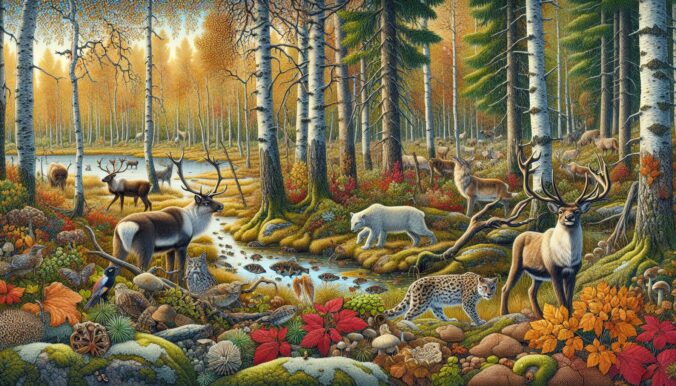
Finland, known for its stunning landscapes and untouched wilderness, is also home to a rich and diverse range of biological species. From its vast array of flora to its abundant wildlife, the country boasts an impeccable natural heritage. With a diverse range of ecosystems, Finland offers a sanctuary for numerous plant and animal species, making it a truly extraordinary destination for nature enthusiasts and scientists alike.
Introduction
Nestled in Northern Europe, Finland’s unique geographical location plays a pivotal role in contributing to its extraordinary biological diversity. Bordered by the Baltic Sea to the south and the Arctic Ocean to the north, this Scandinavian paradise provides an ideal habitat for a wide range of species.
Biological Diversity: Flora and Fauna
Flora
Finland’s distinct climate, rich soil conditions, and large forested areas create the perfect environment for a diverse range of plant life. The country is renowned for its extensive forests, covering over 70% of its land area. These forests harbor a remarkable variety of tree species, including pine, spruce, birch, and aspen.
Additionally, Finland boasts a stunning array of wildflowers and berries, dotting its landscapes with vibrant colors throughout the seasons. From the delicate Arctic harebell to the majestic Lapland lily, the flora in Finland showcases the resilience and adaptability of its plant species.
Fauna
Finland is not only a delight for plant enthusiasts; it is also teeming with a rich variety of wildlife. The country’s extensive forests, wetlands, and lakes provide a diverse range of ecosystems, fostering habitats for a vast array of animal species.
One of the most notable inhabitants of Finland’s wilderness is the charismatic brown bear. With around 2,000 individuals, the Finnish brown bear population is one of the largest in Europe. Other remarkable large predators, such as the wolf, lynx, and wolverine, find refuge within the Finnish wilderness.
Finland’s numerous lakes and rivers are home to various fish species, including salmon, trout, and perch. These aquatic environments also provide an ideal breeding ground for waterbirds like swans, ducks, and herons. Furthermore, Finland’s coastline accommodates a plethora of marine life, including seals, porpoises, and various species of migratory birds.
Protected Areas and Conservation Efforts
Recognizing the significance of its biological diversity, Finland has established a comprehensive network of protected areas that extend across approximately 10% of its land area. These protected areas include national parks, nature reserves, and wilderness areas, all managed with the aim of preserving Finland’s natural treasures.
Furthermore, Finland actively engages in various conservation programs to safeguard endangered species and their habitats. The country’s commitment to conservation is evident through collaborative efforts involving government organizations, researchers, and local communities, ensuring the longevity of its diverse ecosystems.
Conclusion
Finland’s biological diversity is a testament to the country’s extraordinary natural landscapes. From its expansive forests to its delicate wildflowers, and its top predators to its thriving aquatic ecosystems, Finland provides a haven for an impressive range of species.
Despite its relatively small size, Finland’s commitment to preserving its natural heritage is commendable and serves as an example for the rest of the world. As we continue to appreciate and protect the biological diversity in Finland and beyond, we contribute to the safeguarding of our planet’s most precious assets: its plants, animals, and ecosystems. Let us cherish and protect the richness of our natural world, ensuring its enchanting wonders endure for future generations to marvel at.